Boom & Crash · VIP access

Boom & Crash Spike SP2L Indicator

Catch the spike, then the pullback that follows

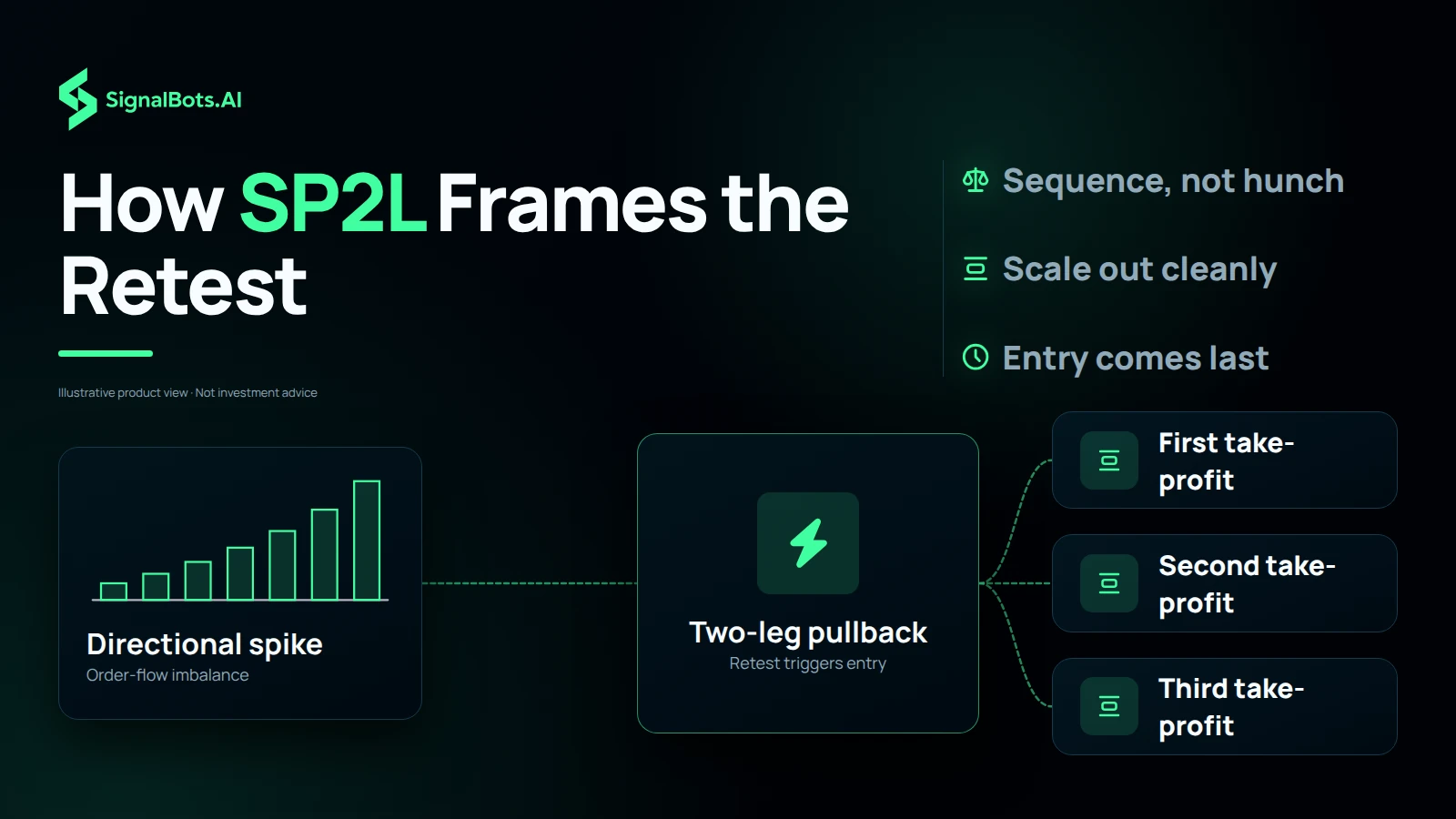
The SP2L (Spike–2Leg) logic isolates the impulsive spikes Boom & Crash are known for, then frames the structured pullback into the spike zone where a continuation often sets up.

View on TradingView

248 community boosts · $48.88/mo on TradingView — free or discounted for SignalBots members.

On the chart

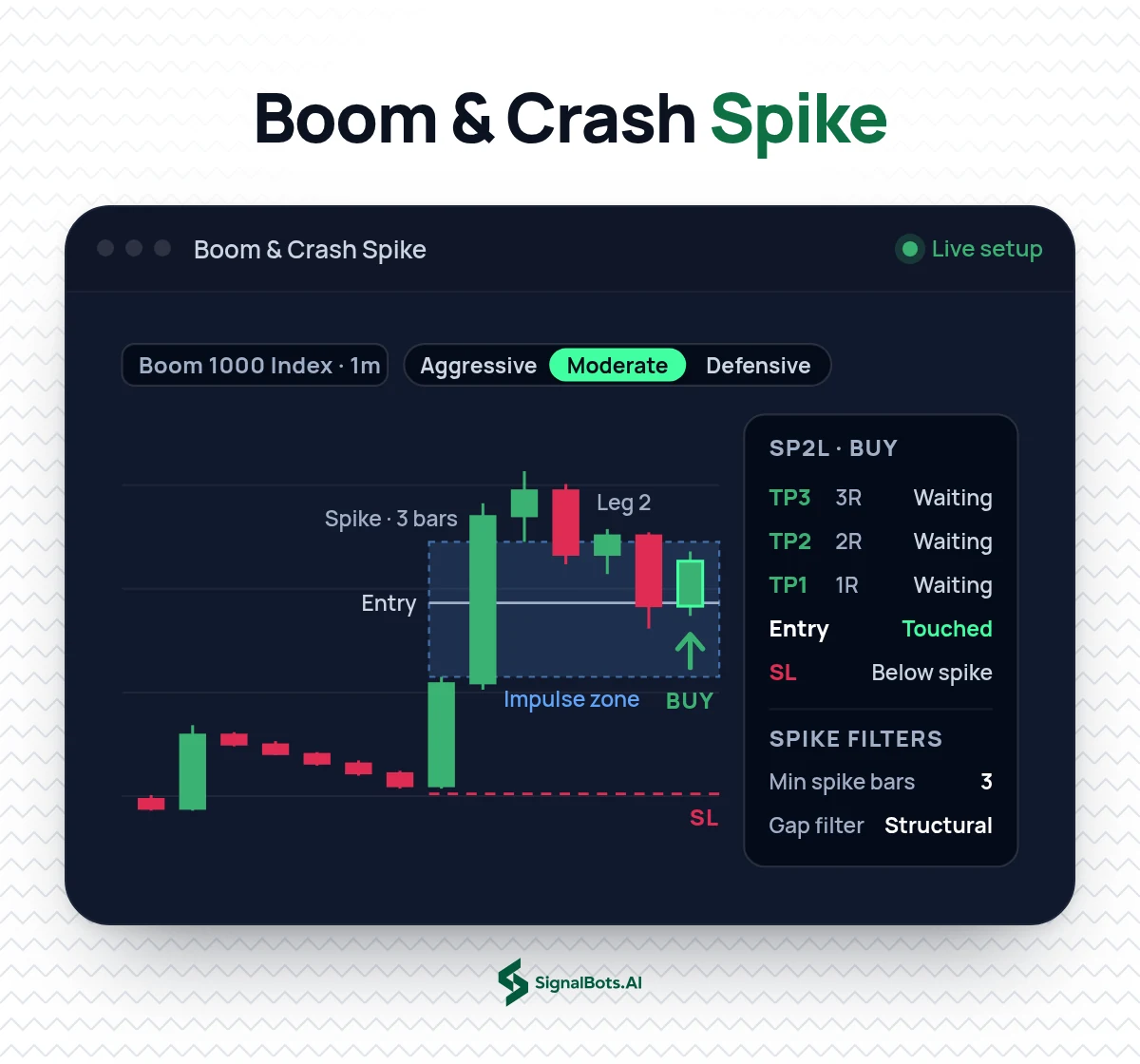
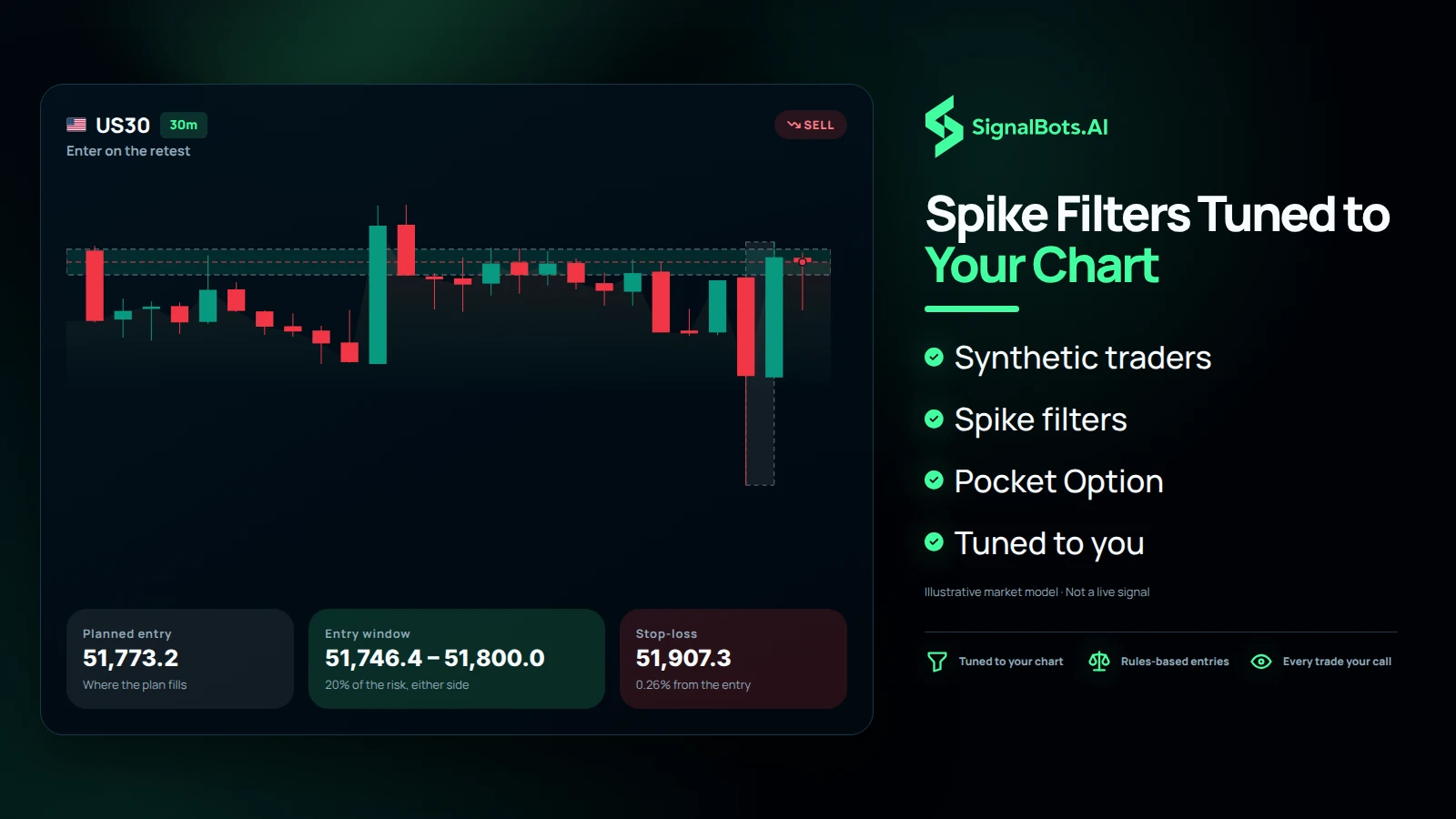
Boom & Crash Spike in action

Live chart from Boom & Crash Spike on TradingView.

How it works

What Boom & Crash Spike does

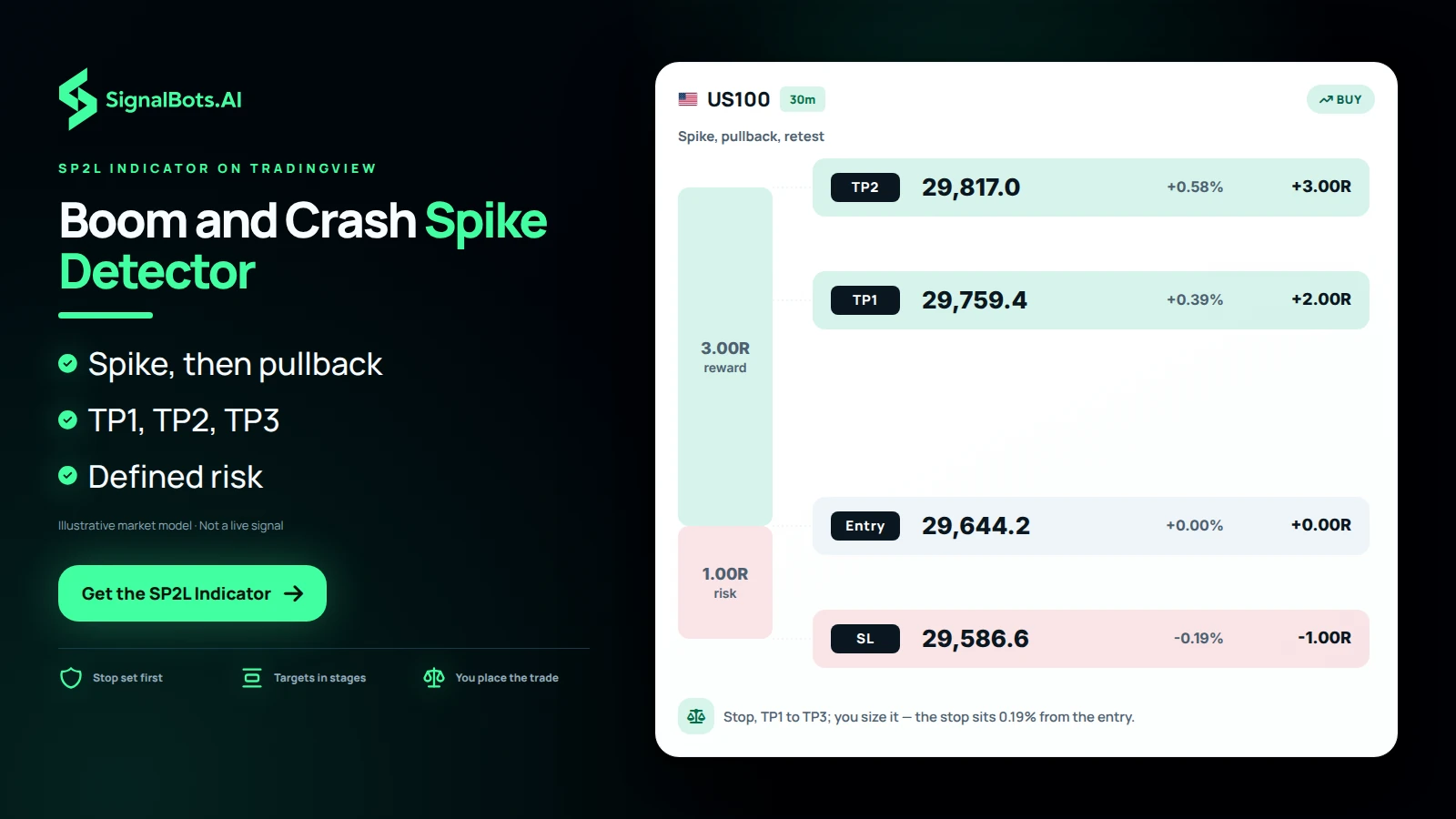
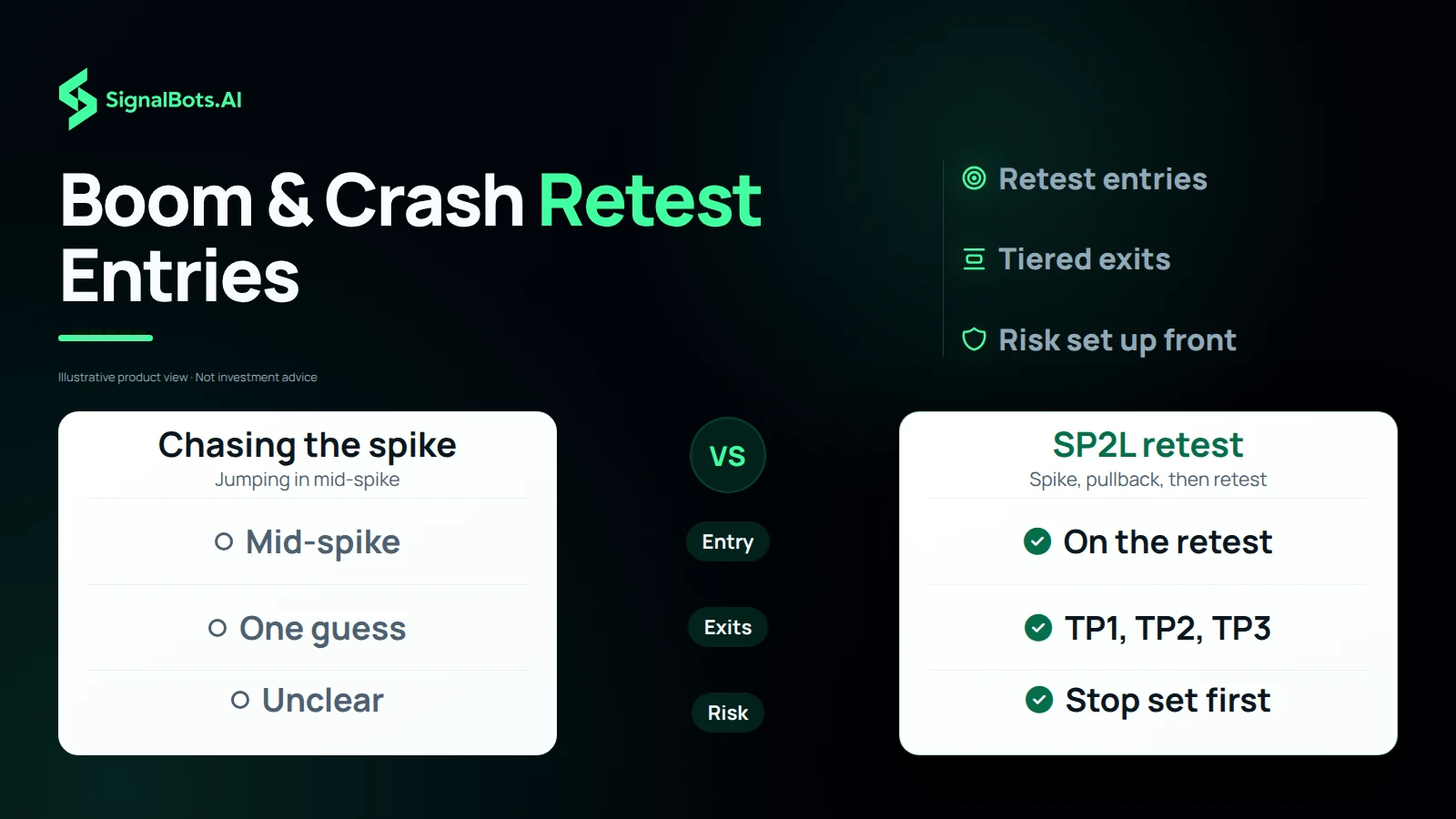
Synthetic indices move in violent spikes. Instead of chasing the breakout, SP2L waits for the spike to form, then a controlled pullback into the impulse zone, and enters on the retest — with tiered take-profits and defined risk.

  1. 1

    A strong directional spike forms from an order-flow imbalance.

  2. 2

    Price pulls back in a controlled two-leg move into the spike structure.

  3. 3

    Entry triggers on the retest of a key structural level inside the impulse.

Why traders use it

What you get out of it

  • Scale out cleanly

    Tiered TP1 / TP2 / TP3 levels let you bank the move in stages.

  • Defined risk

    Every signal has a clear stop and risk-reward, set before you enter.

  • Rules, not guessing

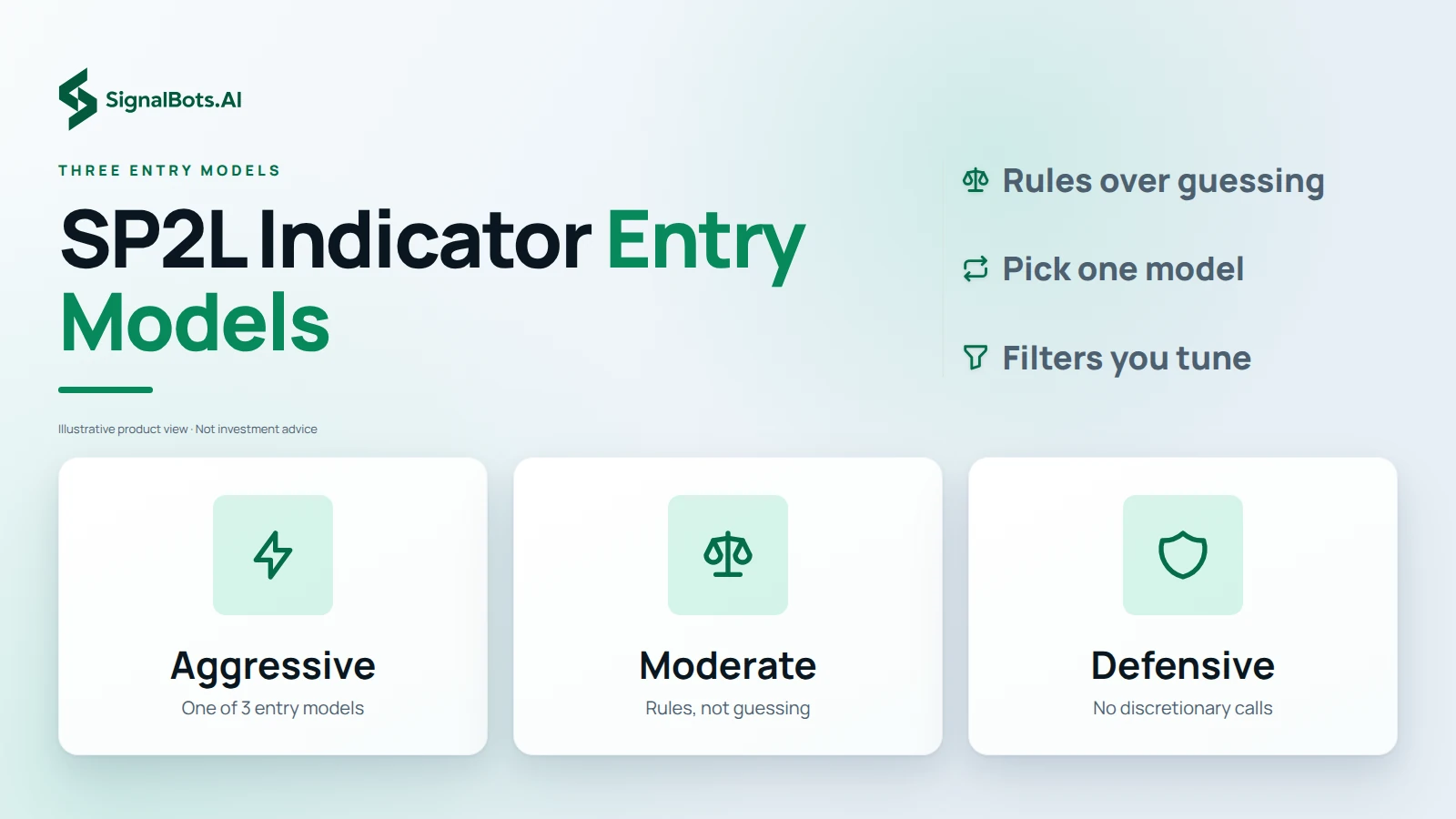
    Aggressive, Moderate and Defensive entry models replace discretionary calls.

Where it works

Markets it's built for

  • Synthetic indices Built for Boom & Crash — the spike markets on Deriv.

Each market routes to its own partner broker — support pairs the right one to the indicator you pick, so you're never sent to the wrong market.

Is it for you?

Who it's for, and what's inside

Best for

  • Boom & Crash traders
  • Synthetic-index traders
  • Spike & retracement traders

Timeframes

Tune the spike filters to your chart; suits the fast synthetic-index timeframes.

What's inside

  • 3 entry models
  • Spike & gap filters
  • TP1/TP2/TP3 dashboard
  • Risk-reward control

No cost to you

How to get Boom & Crash Spike free

  1. 1

    Tell support what you trade

    Message our 24/7 team with the indicator or market you want. They reply in your own language and pick the right broker partner for it.

  2. 2

    Open your partner account

    Register at that broker through our link and fund it — the broker pays us a partner commission, which is what lets us hand you the tools at no cost.

  3. 3

    Trade with it on TradingView

    Share your TradingView username and we add you. The scripts appear in your Favorites, ready on the chart you already use.

Good to know

Boom & Crash Spike — your questions

Is it the same tool as on TradingView?

Yes — Boom & Crash Spike is the exact invite-only script from our TradingFinder space, nothing watered down.

How much does it cost?

On TradingView the space lists at $48.88/mo. With SignalBots you get it two ways: a discounted subscription, or free once you trade as a VIP member through our broker partnership. Support sets up either route.

How do I get access?

Message our 24/7 support. They set up either route for you — a discounted subscription, or free VIP access once you trade with a partner broker — then add you on TradingView.

Which markets does it cover?

Synthetic indices.

Which timeframes does it work on?

Tune the spike filters to your chart; suits the fast synthetic-index timeframes.

Does it place trades for me?

No. It's a chart indicator that flags setups; every trade decision stays yours.

Do I need to install anything?

No. It runs inside the TradingView chart you already use — no install, no Pine editing.

Do I need a TradingView account?

A free TradingView account is enough — we add the script to your username.

Is performance guaranteed?

No. All results are historical and backtested, and trading carries risk — read the Risk Warning first.

Trade with Boom & Crash Spike — free

Message support, open your partner account, and get added on TradingView — usually within minutes.

Indicators flag setups; they don't place trades. Past results are historical and backtested — trading carries risk. Read the Risk Warning.